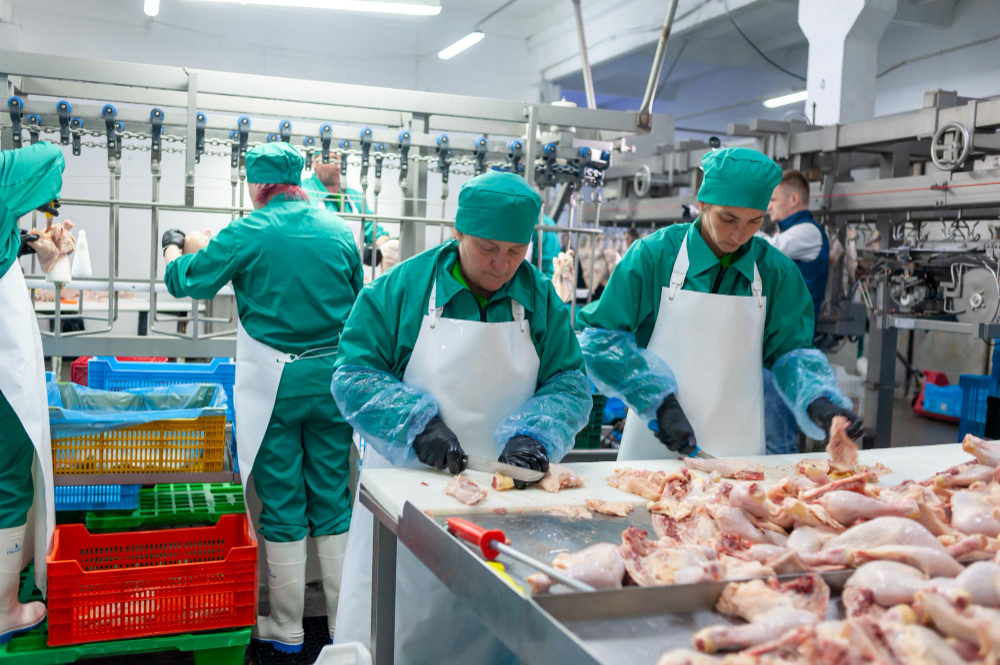
A sanitation gap is not a minor scheduling problem. In food processing, poultry, manufacturing, and distribution, it can delay startup, put hygiene controls at risk, and leave the next shift without a production-ready workspace. The ability to staff sanitation crews...
A missed I-9, an incomplete safety orientation, an unverified time record, or a supervisor who cannot account for who is on the floor can become a production problem fast. Workforce compliance is not paperwork that sits in an HR file. In manufacturing, warehousing,...
A production line does not wait for job postings to convert into hires. When absenteeism climbs, an order volume jumps, or turnover leaves critical stations uncovered, the decision between internal recruiting versus labor outsourcing becomes an operations decision,...
A line does not usually go down because of one dramatic failure. More often, output slips when three workers call out, a new hire is not trained on the station, a changeover runs long, and maintenance discovers a problem after the shift has already fallen behind. By...
A missing crew member can slow a production line. A compliance failure can create a much larger problem that lasts long after the shift ends. An e-verify compliance staffing service gives operations leaders a controlled way to bring in needed labor while keeping...
A production schedule can look fully covered at 7:00 a.m. and be short 12 people by first break. In a warehouse, that can mean pick-pack orders stack up at the docks. In a processing plant, it can slow deboning, packaging, palletizing, or sanitation enough to put the...