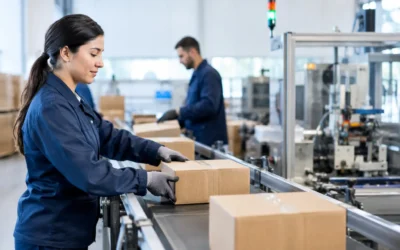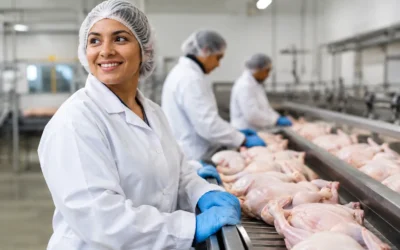
A deboning line does not slow down because a head count looks short on paper. It slows when one station is uncovered, a new worker cannot keep pace, an experienced trimmer is pulled to fill a gap, or fatigue begins driving yield loss and safety risk. Knowing how to staff deboning lines means planning around the actual line, its product mix, its speed, and the skill required at every position.
For poultry processors, labor coverage is a production control issue. A fully manned line protects throughput, reduces forced overtime, and gives supervisors room to manage quality instead of chasing attendance. The goal is not simply to place enough people in the department. The goal is to put trained, properly equipped, supervised people into the right stations for every shift.
Start With the Line, Not the Head Count
A staffing request that says, “We need 30 deboners,” is a starting point, not a deployment plan. Before assigning workers, define where those 30 people will work and what output they must support. Deboning involves connected tasks with different pace, precision, and physical demands. A gap at cone loading, breast deboning, thigh processing, trimming, packing, or rework can create a bottleneck that affects the entire operation.
Review the line’s expected bird volume, line speed, product specifications, shift schedule, and required yield targets. Then map each station by its skill level and the consequences of a vacancy. Some positions can be filled by a cross-trained worker with proper coaching. Others require proven experience because an unprepared employee can create product damage, knife-safety exposure, or a backlog downstream.
This is also where operations leaders should separate minimum staffing from stable staffing. Minimum staffing is the fewest people needed to start production. Stable staffing includes relief coverage, trained floaters, and a plan for predictable absences. A line may launch with minimum coverage, but it rarely holds target performance for a full shift without a buffer.
Build a Deboning Crew by Skill Tier
Not every role on a deboning line should be staffed the same way. The fastest path to better performance is to identify which positions need experienced workers, which can be learned under close supervision, and which can serve as entry points for reliable new crew members.
High-skill roles usually include knife-intensive cuts, yield-sensitive trimming, complex product specifications, and positions that set the pace for downstream work. These workers should be protected from unnecessary movement. Constantly shifting your strongest people to cover attendance gaps may solve today’s shortage, but it weakens yield and consistency across the rest of the line.
Developing roles may include packing support, product handling, tray loading, material movement, sanitation support, and selected downstream tasks. These positions can provide a training path for workers who demonstrate attendance, safe work habits, speed, and coachability. A disciplined progression gives the plant a deeper bench instead of relying on the same small group of experienced employees for every difficult assignment.
A practical crew model includes experienced core workers, trained cross-functional employees, and a small number of supervised new hires. The mix depends on product complexity and line speed. A high-volume line with strict yield expectations needs more experienced coverage than a lower-speed line with simpler cuts. The right answer is operational, not generic.
Protect the Float Pool
Float coverage is often the first thing cut when a plant is trying to control labor spend. That can be a costly decision. Without trained relief workers, breaks become uneven, absenteeism turns into forced overtime, and supervisors pull employees from critical stations just to keep product moving.
Assign floaters based on where disruptions are most expensive. A trained relief employee who can cover two or three high-impact stations may protect more production than several untrained workers assigned without a station plan. Keep floaters close enough to the operation that they understand the pace, sanitation practices, and supervisor expectations before they are needed.
Set Hiring Standards for Pace, Safety, and Attendance
Deboning is demanding work. Candidates need more than general production experience. They must be able to maintain safe, repetitive motion in a cold, wet, high-output environment while following food safety and quality procedures. Screening needs to reflect the real conditions of the job.
Be clear about shift start times, attendance expectations, personal protective equipment, physical requirements, break schedules, temperature conditions, and transportation realities. Vague job expectations create early turnover. Clear expectations help identify workers who are prepared for the pace before they ever step onto the floor.
Safety readiness is equally important. New crew members need orientation on knife handling, cut-resistant gear, lockout areas, slip hazards, ergonomics, reporting procedures, and plant-specific rules. OSHA compliance cannot be treated as a first-day formality. It must be reinforced through hands-on observation and active supervision throughout the shift.
For contract labor, verify who owns each part of the process: recruiting, pre-screening, onboarding, safety orientation, PPE, payroll, timekeeping, attendance follow-up, and disciplinary escalation. When these responsibilities are unclear, the plant inherits the administrative burden and the line absorbs the consequences.
Train at Production Speed Without Sacrificing Yield
Training should happen in stages. A new worker should first understand the station, safe body positioning, required tools, product standard, and pace expectation. Then they need close observation while performing the task, followed by coaching that is specific enough to correct errors quickly.
Do not judge readiness by whether someone can perform a cut once. Judge it by whether they can perform it safely, repeatedly, and at the required pace without creating quality issues. A worker who appears fast but damages product or creates excessive trim loss is not fully productive.
Early training is also the right time to identify ergonomic issues. Repetitive work can lead to fatigue, strain, and declining accuracy if employees are not positioned correctly or rotated appropriately. Rotation can protect workers and sustain performance, but it only works when the employees rotating into a station have received real training. Moving unprepared people between stations can create more disruption than it prevents.
Supervisors should track a few operational signals during ramp-up: station cycle time, product backlog, rework volume, yield loss, safety observations, and attendance. These measures show whether a staffing problem is truly a head-count shortage or a training, placement, or supervision issue.
Use On-Site Supervision to Control Daily Variability
A deboning line can lose stability quickly. Late arrivals, callouts, product changes, equipment interruptions, and uneven performance all require immediate decisions. That is why staffing cannot end when workers arrive at the facility.
An on-site supervisor gives the plant a single accountable point of contact for crew check-in, attendance verification, PPE readiness, station assignment, replacement coordination, and performance follow-up. This structure lets plant supervisors stay focused on production, quality, and maintenance rather than spending the first hour of every shift locating workers and filling gaps.
The supervisor should work from a clear escalation process. If an employee is absent, the response should define who contacts the worker, when replacement coverage is triggered, which stations receive priority, and how the plant is updated. Fast communication matters because a gap identified before shift start is far easier to solve than a bottleneck discovered after product is already moving.
Time-clock integration also matters. When labor hours are captured accurately by shift and department, leaders can compare staffing levels against output, overtime, and absenteeism. That data supports better decisions about crew size, cross-training, and where a managed labor team can reduce recurring cost pressure.
Plan for Peak Demand Before It Hits the Floor
Seasonal volume, promotions, customer orders, holiday demand, and weather-related attendance issues should not become last-minute staffing emergencies. Review historical production patterns and identify the weeks when deboning labor demand rises. Then begin recruiting, onboarding, and training early enough to build a dependable bench.
Peak-season planning should include contingency coverage. Ask what happens if attendance drops by 10 percent, if a second shift requires additional support, or if a product change increases labor requirements at trimming and packing. The plan does not need to be complicated, but it must identify the response before the line is under pressure.
A managed crew model can be especially effective when internal HR and production teams are already stretched. Enterprise Staffing provides supervised, payroll-inclusive crews designed to integrate into established schedules, safety rules, and time-clock systems without leaving the plant to manage every staffing detail.
Make Staffing Performance Visible
The best deboning staffing plans are measured against plant results. Review attendance fill rate, time-to-replace callouts, overtime hours, turnover, yield performance, safety observations, and line downtime by shift. These metrics reveal whether labor is supporting production or creating a hidden cost center.
If overtime remains high despite adequate head count, the issue may be placement, cross-training, or unreliable attendance. If yield falls after a hiring surge, training depth and supervision may need attention. If turnover is concentrated in one shift or department, examine start times, transportation, onboarding expectations, and frontline management conditions.
A stable deboning line is built shift by shift: the right people in the right stations, trained for the real pace of the work, supported by supervisors who can respond before a labor gap becomes lost production. Keep that discipline in place, and labor becomes one less variable standing between your plant and full-speed output.