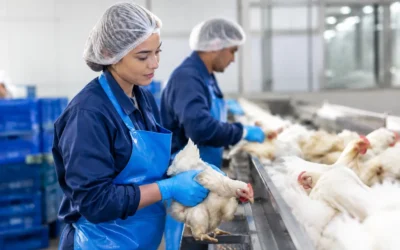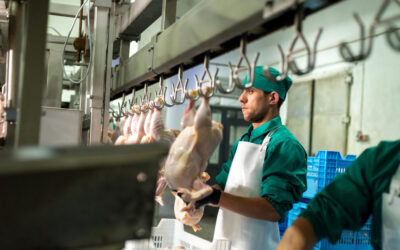
A short crew at the wrong point in a hatchery does not stay a single-shift problem. It can slow transfers, create bottlenecks at chick processing, force supervisors into production roles, and put delivery commitments under pressure. Hatchery staffing services are built to prevent that chain reaction by keeping critical stations fully manned with workers who understand the pace, sanitation rules, PPE requirements, and production discipline the work demands.
For hatchery managers, labor is not a back-office issue. It is a production-control issue. When attendance slips or seasonal demand rises faster than recruiting can keep up, the priority is clear: protect chick flow, maintain animal welfare standards, and keep every line moving without exposing the operation to avoidable safety or compliance risk.
Why Hatchery Labor Gaps Hit Production Hard
Hatchery operations run on timing. Eggs move through incubation on a fixed schedule. Pulling, transferring, vaccination, sexing, counting, processing, boxing, and loadout all require the right number of people in the right place. A gap in one department can quickly back up the next.
Unlike a general warehouse shift, hatchery work often combines high-volume repetitive activity with strict biosecurity and sanitation expectations. New workers cannot simply walk onto the floor without orientation. They need clear direction on traffic patterns, hygiene procedures, work pacing, PPE, attendance expectations, and station-specific tasks before they contribute safely.
The labor problem is also rarely limited to head count. A hatchery may have enough names on a schedule but still face uneven performance, late arrivals, turnover, or limited supervision. When internal leads spend the day replacing workers, correcting time punches, managing call-offs, and retraining new hires, they have less capacity to manage quality, throughput, and equipment coordination.
That is why a staffing partner should be measured by more than the number of applicants it can send. The real question is whether the provider can put an accountable crew into your operation and keep that crew productive over time.
What Effective Hatchery Staffing Services Should Include
A traditional temporary agency may fill individual openings. That can help in some situations, but it often leaves the hatchery responsible for daily oversight, replacement recruiting, orientation, payroll administration, and attendance management. In a high-output environment, that model can shift too much of the labor burden back onto plant leadership.
Managed hatchery staffing services take a different approach. The provider supplies labor while also owning the workforce process around it. That includes recruiting to the required head count, screening for the demands of the environment, safety orientation, PPE coordination, payroll support, time-clock integration, and on-site workforce oversight.
The value is operational control. Your hatchery team defines the production need, shift schedule, task requirements, and expected output. The staffing provider builds and manages the crew around those requirements, then responds when attendance, volume, or staffing needs change.
A dependable service model should cover four connected areas:
- Rapid crew deployment: Workers must be available fast enough to prevent a staffing shortage from becoming lost production or excessive overtime.
- On-site supervision: A crew lead or supervisor helps manage attendance, assignments, coaching, and communication without pulling hatchery managers away from the floor.
- Safety and compliance discipline: Workers need documented orientation, appropriate PPE, clear reporting channels, and consistent enforcement of site rules.
- Workforce continuity: The provider should replace call-offs, manage turnover, and maintain a reliable labor pipeline instead of treating every shift as a new order.
These services matter most when they function as one system. Recruiting without supervision can create churn. Supervision without a reliable replacement pipeline can leave stations uncovered. Payroll support without time-clock alignment can create disputes and administrative drag. A complete workforce solution reduces each point of failure.
Where Managed Crews Make the Biggest Difference
Hatchery staffing needs vary by operation, species, season, automation level, and customer commitments. Some facilities need support during a predictable peak. Others need a standing crew that can absorb daily volatility. The best deployment plan starts with the work, not a generic job title.
Crew members may support egg handling and transfer, tray loading and unloading, chick processing, sorting, vaccination support, counting, boxing, sanitation, palletizing, staging, and loadout. Certain roles may require more specialized training, while others need dependable workers who can maintain pace and follow exact procedures for an entire shift.
The right mix also depends on where the bottleneck sits. If the primary constraint is chick processing, adding people in an upstream department may do little to protect output. If loadout falls behind, processed chicks can accumulate and put downstream timing at risk. A staffing plan should identify the labor-sensitive points in the workflow and set head counts around the actual constraint.
For many operations, the strongest case for a managed crew is not simply peak volume. It is the constant pressure of absenteeism and turnover. Internal teams can spend weeks recruiting, onboarding, and replacing entry-level labor only to repeat the cycle. Outsourcing crew management allows plant leaders to focus on production performance while the staffing partner handles the workforce mechanics.
Build the Staffing Plan Around Production Reality
A useful staffing plan is specific enough to operate from on day one. It should identify required head count by shift, station, start time, expected duration, break structure, PPE, and any task limitations. It should also name the hatchery contact who can make fast decisions when volumes or schedules change.
Before a crew arrives, align on the site rules that cannot be compromised. That may include biosecurity entry procedures, footwear and clothing requirements, restricted areas, handwashing protocols, line-side conduct, incident reporting, and equipment restrictions. Clear expectations protect workers and reduce the chance that a new employee slows the operation during the first shift.
Time-clock integration is another practical requirement. When a provider’s crew uses the same clocking process or a verified system that aligns with your schedule, managers can see who is present, resolve exceptions quickly, and keep labor reporting accurate. It supports cost control as well as accountability.
Communication should stay simple and frequent. A short pre-shift check can confirm head count, assignments, volume expectations, and special conditions. A post-shift review can surface attendance issues, safety observations, production constraints, and the next day’s labor requirement. This is not unnecessary paperwork. It is how the crew stays aligned with the production plan.
Safety, Biosecurity, and Compliance Cannot Be Added Later
Hatcheries have real exposure when labor is rushed onto the floor without preparation. New employees may be unfamiliar with wet or slippery conditions, repetitive-motion demands, sanitation chemicals, fast-moving work areas, or the hygiene controls that protect the facility. An unprepared worker can create risk for themselves, the team, and the operation.
A disciplined staffing provider treats orientation as part of deployment, not an optional extra. Workers should receive clear safety instruction, understand required PPE, know how to report hazards, and be placed only in tasks they are prepared to perform. Supervisors should reinforce site rules throughout the shift rather than relying on a one-time orientation.
Compliance support also reduces the administrative burden on the hatchery. Payroll processing, workforce documentation, attendance records, and consistent employment practices require attention. A managed service model gives operations and HR leaders a clearer division of responsibility while helping reduce the risk that comes from informal labor arrangements or inconsistent onboarding.
No provider can eliminate every workplace risk. The hatchery still owns its site conditions, process controls, and operational leadership. But a staffing partner can materially reduce exposure by bringing prepared workers, active oversight, and a documented workforce process to the floor.
Choosing a Partner That Can Keep Up
The most useful question is not, “Can you send workers?” Most staffing companies can make that promise. Ask instead how the provider handles a 15-person call-off, a weekend production change, a sudden volume increase, or a crew that is not meeting performance expectations.
Look for direct answers about deployment speed, supervisor availability, replacement coverage, safety orientation, payroll structure, and communication cadence. A provider serving hatchery operations should understand that a delayed response can mean overtime, missed loadout windows, and unnecessary pressure on the employees who did show up.
Enterprise Staffing approaches labor as an operational continuity responsibility. The goal is not to place names on a roster. It is to put supervised, safety-ready crews into the workflow quickly, manage the day-to-day workforce burden, and help keep production fully manned when demand changes.
The best hatchery staffing relationship becomes visible in what does not happen: supervisors are not scrambling to fill stations, quality teams are not compensating for rushed labor, and production schedules are not rewritten around attendance problems. When the next head-count gap appears, the right response is a staffing plan that protects the people, the process, and the chick flow before the shift begins.