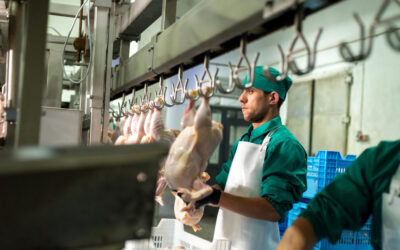
A sanitation gap is not a minor scheduling problem. In food processing, poultry, manufacturing, and distribution, it can delay startup, put hygiene controls at risk, and leave the next shift without a production-ready workspace. The ability to staff sanitation crews quickly is what keeps cleaning schedules intact when absenteeism rises, demand changes, or a facility needs added coverage on short notice.
Speed matters, but sending unfamiliar workers onto a sanitation team without preparation creates a second problem. Crews need to understand the work area, chemical-handling expectations, PPE requirements, lockout procedures, traffic patterns, and the supervisor’s release standard before they begin. The goal is not simply to fill a head-count gap. It is to put an accountable crew on the floor that can clean thoroughly, work safely, and hand the operation back ready for production.
Why sanitation staffing requires a different response
Sanitation work often happens outside the normal production schedule. It may begin after a long shift, run overnight, or require a fast response before a line can restart. That timing makes traditional recruiting a poor fit. By the time individual applicants are sourced, screened, hired, and oriented, the immediate operational need has already become lost production time.
The work also carries a high standard of execution. A sanitation crew may be responsible for foaming and rinsing equipment, cleaning drains and floors, removing waste, handling chemicals, staging supplies, and resetting a work area for inspection. In food and poultry environments, the details affect food safety programs and audit readiness. In warehouses and manufacturing plants, they affect safe movement, equipment condition, and the ability to start the next shift on time.
A fast staffing plan must account for more than availability. It needs clear crew leadership, a practical safety orientation, documented timekeeping, and a defined scope of work. Otherwise, a facility manager spends the night trying to direct every new worker while handling the original sanitation emergency.
Start with the actual coverage gap
The fastest staffing requests are specific. A plant does not need to know every worker’s name before calling for support, but it should identify the operating conditions that determine the right crew.
Start with the number of people needed, the shift start and end times, and whether the work is one night, a recurring schedule, or seasonal coverage. Then define the sanitation tasks. A crew assigned to general floor cleanup has a different skill and PPE profile than workers cleaning processing equipment, washdown areas, cold-storage zones, or high-traffic loading docks.
Also identify the conditions that affect deployment: required PPE, chemical program rules, site-specific access requirements, language needs, time-clock process, and who has authority to accept completed work. These details help a managed staffing provider place workers in the right roles from the first shift rather than sending a general labor crew that needs extensive correction.
For many facilities, the most useful request is straightforward: “We need 14 workers for second-shift sanitation, six days per week, beginning tomorrow, with a lead on site and clock-in through our existing system.” That gives the staffing partner a workable operational target.
Build around managed crews, not individual placements
When the need is urgent, individual temporary placements can create more supervision work than they remove. Each new person must be checked in, assigned, trained, monitored, and redirected. If workers call off, the facility is back to rebuilding the shift from scratch.
A managed crew model changes that responsibility. The provider recruits and deploys the workforce, but also supplies on-site supervision and ongoing workforce oversight. The crew lead becomes the operational point person for attendance, assignment changes, basic performance follow-up, and communication with facility leadership.
That model is particularly effective where sanitation head count changes by day or production schedule. A facility can add coverage for weekend cleanup, peak processing periods, shutdown work, or a temporary surge without building a larger internal hiring and payroll function. The plant remains in control of sanitation standards and priorities, while the workforce partner is accountable for keeping the crew fully manned.
Enterprise Staffing approaches rapid deployment this way: as a production-continuity assignment, not a stack of resumes. That distinction matters when a missed sanitation window can affect the next day’s output.
Make safety orientation part of the deployment plan
Fast does not mean rushed. Sanitation workers face real hazards, including wet floors, chemical exposure, sharp surfaces, moving equipment, confined work areas, and changing temperatures. In some operations, they also work around high-pressure water, energized machinery, or restricted zones.
A proper deployment plan includes a site-specific orientation before workers enter the sanitation area. At minimum, crews need to know required PPE, emergency procedures, reporting expectations, safe access routes, chemical-handling rules, and which equipment is off limits. If lockout/tagout, food-safety controls, or specialized cleaning methods apply, those requirements must be explained by the facility’s designated personnel and reinforced by the crew supervisor.
There is a trade-off here. A facility can shorten administrative delay by preparing orientation materials and access instructions before the crew arrives. It should not shorten the safety briefing itself to save a few minutes. A preventable incident, contamination concern, or failed inspection costs far more than a disciplined first-shift startup.
Use a first-shift handoff that protects quality
The first shift sets the operating standard. Without a clear handoff, even experienced workers may clean the wrong areas first, miss priority surfaces, use supplies inefficiently, or finish without confirming the release process.
A strong first-shift handoff begins with a brief walkthrough between the facility contact and crew lead. They should confirm the cleaning zones, sequence of work, approved products, supply locations, break procedures, and completion expectations. The facility should also identify the person who will inspect or release each area.
During the shift, the crew lead should track attendance, redistribute labor when a task runs ahead or behind, and flag issues before they become a startup delay. At the end of the shift, the facility gets a clear status: areas completed, exceptions identified, and any staffing adjustment needed for the next schedule.
This process is not paperwork for its own sake. It keeps managers from discovering a coverage shortage or incomplete task list at the moment production needs to restart.
Plan for repeatability after the emergency is over
The first urgent request may be caused by a call-off spike, turnover, or a sudden production increase. If the same labor gap appears every week, it is no longer an emergency. It is a staffing pattern that needs a standing solution.
Review the first few shifts for attendance stability, pace, supervisor coverage, and recurring bottlenecks. If workers are regularly needed for pre-op cleanup, post-production washdown, waste removal, or supply staging, set the base crew around that predictable demand. Then keep flexible capacity for seasonal volume, weekend production, or planned maintenance periods.
Time-clock integration is also worth addressing early. When a crew can clock in through the facility’s established process, managers get cleaner labor visibility and fewer manual corrections. The staffing provider can then reconcile hours, manage payroll responsibilities, and respond to schedule changes without adding avoidable HR work to the plant team.
A rapid sanitation response should reduce pressure, not move it
The right sanitation staffing partner does more than find available labor. It arrives with a practical plan for recruiting, supervision, safety readiness, payroll, compliance support, and daily workforce accountability. That is what allows operations leaders to focus on sanitation outcomes and production schedules instead of chasing attendance or processing last-minute hires.
When your sanitation schedule is at risk, lead with the head-count gap, shift details, work scope, and safety requirements. A disciplined crew plan can turn an urgent coverage problem into a controlled handoff – and help keep every line ready to run at full speed.