Quality problems rarely start with processes. They start with instability.
When production quality declines, the first reaction is often to review procedures, equipment, or materials. While those factors matter, one of the most overlooked drivers of quality issues is workforce instability.
High turnover and inconsistent staffing create conditions where quality standards are harder to maintain. Stable teams, on the other hand, deliver more consistent output and fewer costly errors.
Consistency is essential to quality control
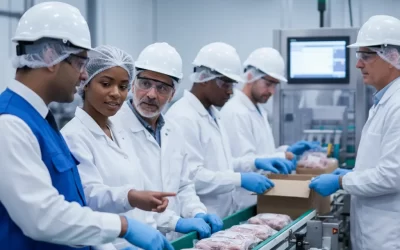
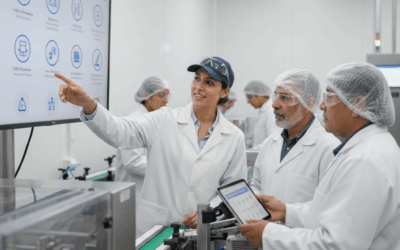
Production quality depends on repetition and precision. Workers who perform the same tasks consistently develop familiarity and confidence.
Workforce stability supports:
- Proper execution of standard operating procedures
- Faster identification of defects
- More reliable inspections
Frequent turnover disrupts this consistency and increases the likelihood of mistakes.
Training gaps appear when turnover is high
Every new hire requires training. When turnover is constant, training becomes rushed or incomplete.
High turnover often leads to:
- Inexperienced workers on the line
- Reduced training depth
- Supervisors stretched too thin
Incomplete training increases error rates and puts pressure on quality teams to catch preventable issues.
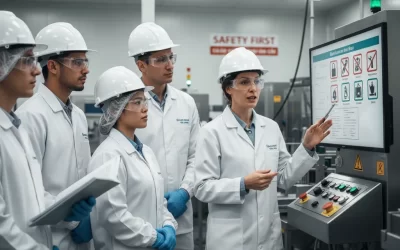
Stable teams communicate more effectively
Communication improves when teams work together over time.
Stable teams benefit from:
- Shared understanding of expectations
- Faster problem identification
- Better coordination between roles
When teams change frequently, communication breaks down and small quality issues escalate before they are addressed.
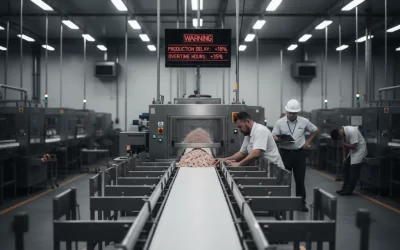
Workforce instability increases rework and waste
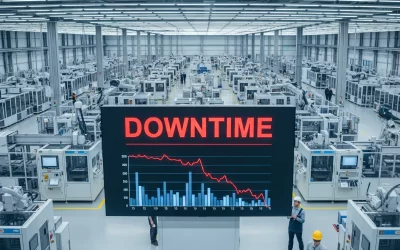
Quality issues create rework, scrap, and product loss.
Workforce instability contributes to:
- Higher defect rates
- Missed quality checks
- Increased waste
These costs directly impact profitability and customer satisfaction.
Employee experience influences quality performance
Workers who feel secure and supported perform better.
Stable employment leads to:
- Higher accountability
- Greater attention to detail
- Stronger ownership of outcomes
When employees feel disposable or uncertain, engagement drops and quality suffers.
Supervisors play a critical role in maintaining quality
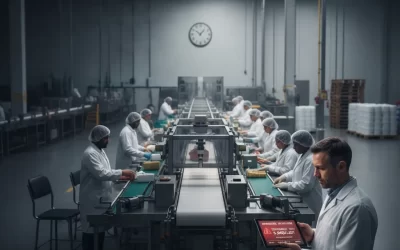
Supervisors anchor quality standards on the floor.
Stable teams allow supervisors to:
- Focus on coaching instead of constant retraining
- Enforce standards consistently
- Address root causes instead of symptoms
Without stability, supervisors spend most of their time reacting rather than improving quality.
How Enterprise Staffing supports workforce stability
Enterprise Staffing understands that quality depends on people.
We help clients by:
- Building consistent staffing pipelines
- Prioritizing reliable, trained workers
- Supporting onboarding and retention efforts
- Partnering with supervisors to reduce turnover
Our approach helps clients maintain stable teams that protect quality and production standards.
Stable Teams Produce Consistent Quality
Production quality is not just the result of good processes. It is the result of stable, engaged teams.
Organizations that invest in workforce stability reduce rework, protect customer trust, and achieve more predictable results. Stability is not a soft metric. It is a quality driver.
Contact Enterprise Staffing to build a workforce that supports consistent production quality.