Safety programs fail when workers do not fully understand them.
In industrial environments, safety procedures are only effective if they are clearly understood and consistently followed. Many workplaces rely on diverse teams where English is not the primary language for a large portion of the workforce. When communication gaps exist, safety risks increase quickly.
Training a multilingual workforce is not just a compliance requirement. It is a critical component of accident prevention, productivity, and workforce stability.
Why communication is the foundation of workplace safety
Safety depends on clarity. When instructions are misunderstood or incomplete, workers are forced to rely on assumptions.
Poor communication leads to:
- Improper equipment use
- Missed safety steps
- Delayed incident reporting
Clear communication reduces uncertainty and helps workers make safe decisions in fast paced production environments.
Language barriers increase accident risk
In multilingual workplaces, language barriers often prevent workers from fully understanding safety expectations.
Common challenges include:
- Safety training delivered only in English
- Written materials not translated accurately
- Workers hesitant to ask questions
When employees do not feel confident that they understand safety procedures, compliance drops and risk increases.
Bilingual training improves comprehension and retention
Safety training is most effective when delivered in a language workers understand.
Bilingual training supports:
- Better comprehension of procedures
- Higher retention of safety information
- Faster onboarding for new hires
When workers understand the why behind safety rules, they are more likely to follow them consistently.
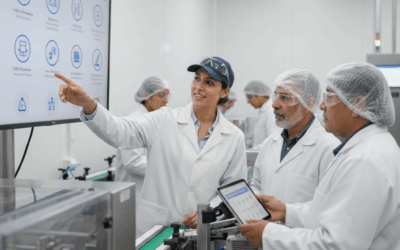
Visual and hands on training reinforce understanding
Language alone is not always enough. Visual and practical training methods strengthen safety communication.
Effective approaches include:
- Demonstrations and walkthroughs
- Visual signage and diagrams
- Hands on practice during onboarding
These methods reduce reliance on written instructions and help bridge language differences.
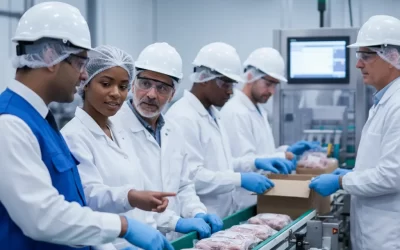
Supervisor communication sets daily safety standards
Supervisors play a critical role in reinforcing safety expectations.
Strong safety communication includes:
- Daily safety reminders
- Clear correction of unsafe behavior
- Encouraging workers to speak up
Bilingual supervisors or on site coordinators improve trust and reduce miscommunication between management and frontline teams.
Safety culture improves retention and morale
Workers who feel safe and understood are more likely to stay.
Clear safety communication:
- Builds trust with employees
- Reduces fear and confusion
- Shows respect for workers
A strong safety culture lowers turnover and supports long term workforce stability.
How Enterprise Staffing supports multilingual safety training
Enterprise Staffing understands the realities of multilingual industrial environments.
We support clients by:
- Providing bilingual workforce coordination
- Supporting safety training communication
- Helping reinforce clear onboarding processes
- Partnering with supervisors to maintain safety standards
Our approach helps ensure safety messages are understood, not just delivered.
Clear Communication Creates Safer, Stronger Teams
Safety starts with communication. When workers fully understand expectations, risks decrease and performance improves.
Training a multilingual workforce effectively protects employees, strengthens operations, and reduces costly incidents. Clear communication is not an extra step. It is the foundation of a safe and reliable workforce.
Contact Enterprise Staffing to strengthen safety communication across your workforce.