Production never stops, but people do
In manufacturing, logistics, and poultry processing, production schedules are constant. Orders keep coming, but when positions remain unfilled, the hidden costs accumulate quickly.
A 2024 study by the National Association of Manufacturers (NAM) found that labor shortages cost U.S. manufacturers over $8 billion annually in lost productivity. Each unfilled position creates a ripple effect of downtime, overtime, and quality issues that can reduce margins by 15 to 25 percent in some operations (NAM, 2024).
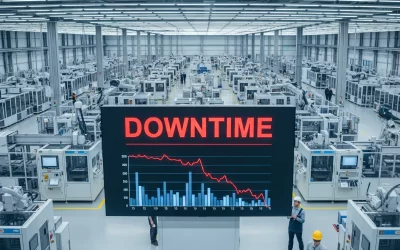
1. Downtime: every unfilled shift slows the line
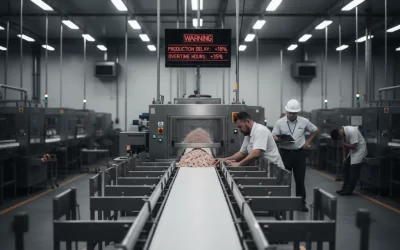
When even one key role goes empty — whether it is a line worker, packer, or forklift operator — the entire production rhythm changes. Supervisors must rebalance tasks or slow conveyor speeds, causing output drops that rarely get recovered later.
- A single hour of unscheduled downtime in a food or packaging facility can cost between $1,000 and $10,000, depending on capacity (Manufacturing.net, 2023).
- In poultry operations, unfilled line positions can lead to incomplete batches and increased waste.
- Managers spend extra time rescheduling, which pulls attention away from process improvement.
Reliable staffing ensures that every shift begins fully staffed, reducing production interruptions and protecting throughput.
2. Overtime: short term fix, long term risk
When positions stay open, the immediate response is overtime. Paying existing workers extra hours can maintain production temporarily but erodes profit margins and worker satisfaction over time.
The U.S. Department of Labor reports that average overtime pay in manufacturing is 1.5 times regular pay, which can add thousands of dollars per week for even small facilities (DOL, 2024).
Extended overtime also increases fatigue, absenteeism, and injury rates. According to a 2023 Occupational Safety and Health Administration (OSHA) report, fatigue-related incidents rise by 37 percent in facilities that rely heavily on overtime to cover vacancies.
A consistent staffing pipeline prevents this spiral, keeping labor costs predictable and teams rested.
3. Quality issues: fewer hands mean more errors
Production quality often declines when teams are understaffed. Workers rush to meet targets, and supervisors have less time for inspections.
A Harvard Business Review study found that short staffing correlates directly with increased rework, higher defect rates, and delayed deliveries (HBR, 2023). In industries such as poultry processing, even a small uptick in rework can translate to thousands of pounds of product loss per week.
Maintaining adequate staffing levels ensures quality assurance checks stay consistent and that output meets both customer and regulatory standards.
4. Turnover: the hidden consequence of doing more with less
When employees are constantly covering for missing team members, morale drops. Over time, this leads to burnout and higher turnover, which compounds the original staffing issue.
The Society for Human Resource Management (SHRM) estimates that replacing an hourly production worker can cost 30 to 50 percent of annual pay once training and lost productivity are included (SHRM, 2024).
A cycle of overwork and resignations becomes costly not just in dollars but in reputation. Consistent staffing breaks this cycle and stabilizes teams.
5. The Enterprise Staffing advantage: preventing the cost before it happens
Specialized staffing is not just about filling jobs. It is about safeguarding production.
Enterprise Staffing partners with industrial clients to maintain workforce continuity by:
- Providing bilingual recruiters who understand both the technical requirements and the local labor pool.
- Maintaining an active reserve of pre-screened workers ready for short-notice deployment.
- Offering attendance tracking and performance reporting that identify early warning signs of potential shortages.
This proactive approach ensures that production lines stay staffed, safe, and consistent, reducing the financial and operational impact of vacancies.
Conclusion
Staffing shortages are not simply HR challenges; they are direct threats to productivity and profit. Every unfilled position increases downtime, overtime, and error risk.
With the right staffing partner, these costs can be avoided before they occur. Enterprise Staffing helps you keep your lines running, your workers supported, and your output consistent.
Contact Enterprise Staffing today to learn how a stable workforce protects your bottom line.