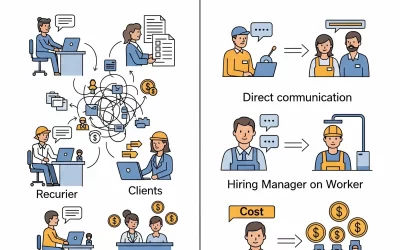
Empty positions cost far more than unfilled schedules.
When a production role goes unfilled, the impact reaches far beyond that single position. Staffing shortages quietly disrupt output, inflate labor costs, and increase operational risk. While many organizations view shortages as a temporary inconvenience, the real cost shows up daily across the production floor.
Understanding these hidden costs is the first step toward preventing them.
How staffing shortages disrupt production flow
Production lines are designed around balance. When even one role is missing, the entire system adjusts, usually in inefficient ways.
Common consequences include:
- Slower line speeds
- Bottlenecks and uneven workloads
- Missed production targets
Over time, these disruptions reduce overall throughput and make it difficult to recover lost output.
Overtime fills gaps but increases long term risk
The most common response to staffing shortages is overtime. While it may solve immediate coverage issues, it creates new problems.
Overreliance on overtime leads to:
- Increased labor costs
- Worker fatigue and burnout
- Higher absenteeism and turnover
Fatigued workers are more likely to make mistakes, miss shifts, or leave entirely, deepening the original staffing problem.
Quality issues increase as teams stretch thinner
When teams operate understaffed, quality often suffers.
Short staffing can result in:
- Incomplete inspections
- Higher error rates
- Rework and waste
In industries like poultry and food processing, quality issues can also lead to compliance concerns, customer complaints, or product loss. These costs often exceed the expense of proper staffing.
Safety risks rise with workforce shortages
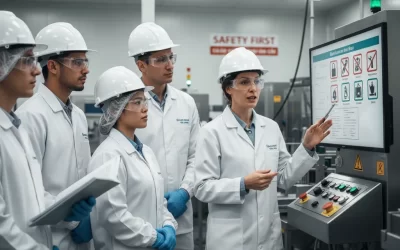
Staffing shortages increase safety risks across the facility.
Understaffed teams face:
- Faster work pace
- Reduced training coverage
- Increased physical and mental fatigue
These conditions raise the likelihood of injuries and incidents, which carry both human and financial consequences.
Turnover accelerates when shortages persist
When workers are consistently asked to do more with less, morale declines.
Persistent shortages cause:
- Job dissatisfaction
- Higher voluntary turnover
- Difficulty retaining reliable workers
This creates a cycle where shortages fuel turnover, and turnover creates deeper shortages.
The management cost of constant shortages
Staffing gaps also drain leadership time.
Supervisors and managers spend hours:
- Reworking schedules
- Covering shifts
- Addressing attendance issues
This reactive workload limits their ability to focus on process improvement, safety leadership, and team development.
How Enterprise Staffing helps prevent costly shortages
Enterprise Staffing focuses on prevention, not just response.
We support production operations by:
- Maintaining a pipeline of ready workers
- Filling roles quickly without sacrificing reliability
- Supporting attendance monitoring and workforce consistency
- Partnering with supervisors to stabilize staffing levels
Our goal is to protect production by keeping teams fully staffed and operationally balanced.
Staffing Stability Protects Productivity and Profitability
Staffing shortages are not just an HR issue. They are a direct threat to productivity, safety, and profitability.
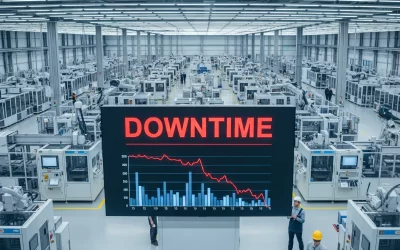
Organizations that address shortages proactively reduce downtime, control labor costs, and maintain consistent output. A stable workforce is one of the most effective ways to protect production performance.
Contact Enterprise Staffing to learn how we help keep your production lines running at full capacity.