The challenge: reliability in a high turnover world
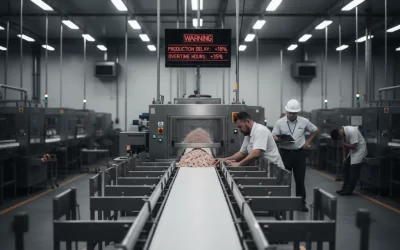
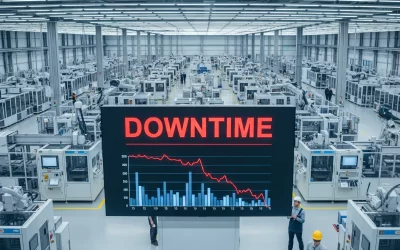
Light industrial sectors such as poultry processing, logistics, and packaging face a persistent staffing challenge. Turnover rates in these sectors can be very high, sometimes exceeding 40 to 60 percent per year, which reduces productivity, increases training costs, and erodes morale (U.S. Bureau of Labor Statistics). Building a reliable workforce is not only about filling open shifts quickly, it is about creating consistency that supports operational performance and product quality.
1. Hire for stability, not just speed
When a production line is short staffed the instinct is to hire fast. Hiring for availability alone often creates a revolving door. Instead evaluate candidates for demonstrated reliability and local stability. Priorities should include attendance history, references that confirm dependability, and access to consistent transportation. Pre screening for traits such as punctuality, teamwork, and a good work attitude will pay off in lower rehire costs. According to the Society for Human Resource Management, replacing an hourly worker can cost employers up to 30 percent of the worker’s annual pay when turnover, training, and lost productivity are considered (SHRM).
2. Build trust through bilingual onboarding
Many frontline teams are primarily Spanish speaking while supervisors are English speaking. When expectations, safety instructions, or procedures are lost in translation trust declines and errors increase. Bilingual onboarding and supervision help close that gap. Provide training materials in both languages, assign bilingual mentors to new hires, and create channels for feedback in the worker’s preferred language. Evidence shows that multilingual safety communication reduces incident rates in plants with predominantly Hispanic workforces (OSHA related studies and industry reports).
3. Recognize and reward reliability
Recognition is a major driver of retention for hourly workers. Programs that reward attendance and consistent performance help convert short term hires into longer term employees. Consider attendance bonuses, reliability point systems, public recognition during shift meetings, and clear pathways to cross training and promotion. Gallup research shows that engaged employees are significantly less likely to leave, and recognition is a top factor in engagement for frontline roles.
4. Align schedules with worker realities
Unpredictable and inflexible schedules are one of the top reasons hourly workers leave. Provide consistent schedules, predictable shift patterns, and easy shift swap mechanisms to allow workers to balance family responsibilities and transportation. Technologies that enable predictable scheduling have been linked to reduced turnover in logistics and manufacturing operations. Predictable schedules reduce no shows and make it easier for workers to commit long term.
5. Train supervisors to manage reliability and retention
Supervisors have the most day to day influence on whether workers stay. Train supervisors in effective communication, conflict resolution, and fair scheduling practices. Emphasize coaching behaviors rather than purely disciplinary responses. Supervisors who communicate expectations clearly, provide consistent feedback, and escalate problems early help reduce avoidable exits.
6. Use data to target retention efforts
Track attendance patterns, time to productivity, and reasons for separation. Use those insights to identify high risk cohorts and intervene early with retention tactics such as targeted coaching, shift changes, or transportation support. Staffing partners that provide real time visibility into attendance and productivity enable faster, evidence based decisions.
7. Offer tangible incentives and stability supports
Beyond cash incentives, consider supports that remove common barriers to attendance. These supports can include reliable transportation options, predictable payday timing, access to on site or near site childcare resources, and clear benefit communications in the worker’s language. Small operational investments that reduce friction often deliver outsized improvements in retention.
8. Partner with a staffing agency that understands your production needs
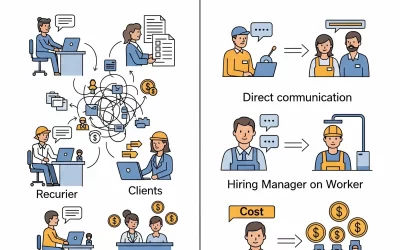
Generalist recruiters may fill seats, but specialized industrial staffing delivers reliability through a deeper operational fit. Look for partners who understand OSHA requirements, PPE expectations, and line cadence. Effective staffing partners provide bilingual coordinators who maintain day to day communication with workers, track key metrics, and support retention initiatives. A staffing partner aligned to your production goals focuses on placing dependable workers who add value from day one.
Conclusion
In high turnover industries reliability is a clear competitive advantage. Hiring intentionally, investing in bilingual onboarding and supervisor training, aligning schedules with worker realities, and partnering with a staffing provider that knows your industry will reduce turnover and improve line performance. When your workforce is reliable your production becomes more predictable and your business becomes easier to scale.
Partner with Enterprise Staffing to build a workforce that shows up, performs, and stays.